Nov. 20, 2025
Sem fio versus com fio: um guia de decisão para sistemas inteligentes de controle de quartos de hotel.
Sem fio versus com fio: um guia de decisão para sistemas inteligentes de controle de quartos de hotel. Na onda da construção de hotéis inteligentes, os sistemas inteligentes de controle de hóspedes tornaram-se um padrão para aumentar a competitividade. Diante dessa encruzilhada tecnológica, os profissionais da hotelaria enfrentam uma questão crucial: como escolher entre sistemas inteligentes de controle de hóspedes com e sem fio? Essa disputa entre tecnologias com e sem fio, na realidade, envolve uma análise abrangente em diversas dimensões: facilidade de instalação, estabilidade do sistema, custo-benefício e muito mais. Do ponto de vista da instalação e implantação, os sistemas de controle de hóspedes inteligentes sem fio oferecem, sem dúvida, uma "aura de conveniência". Eles se libertam das limitações da fiação tradicional, eliminando a necessidade de extensos conduítes pré-instalados durante a fase de decoração, tornando o processo de construção simples e flexível. Os sistemas sem fio apresentam vantagens ainda maiores na modernização de hotéis existentes para a implementação de inteligência. Por exemplo, um hotel de negócios consolidado optou por uma solução sem fio para a atualização de seu sistema de controle de hóspedes inteligente e concluiu a instalação e a configuração de todos os quartos em apenas uma semana, com impacto mínimo nas operações normais. Em contrapartida, a instalação de um sistema com fio pode ser considerada um "projeto de grande porte". Ela exige o planejamento das rotas dos cabos logo no início da fase de decoração do hotel, envolvendo processos como quebra de paredes e instalação de tubulações. Isso não apenas resulta em um longo ciclo de construção, mas também pode apresentar desafios para futuras modificações caso o layout inicial dos cabos seja inadequado. Uma vez que ocorram danos aos cabos, a solução de problemas e os reparos são complexos e podem exigir danos a paredes, pisos e outros acabamentos, levando a custos adicionais e perda de tempo. A estabilidade é uma métrica fundamental para avaliar a qualidade de um sistema inteligente de controle de hóspedes. Os sistemas com fio, devido às suas conexões físicas, oferecem transmissão de dados estável e confiável, sendo em grande parte imunes a interferências externas, garantindo o funcionamento estável de diversos dispositivos nos quartos de hotel. Em hotéis de luxo ou em instalações governamentais onde a estabilidade do sistema é primordial, os sistemas de controle de hóspedes com fio são altamente preferidos. Por exemplo, uma hospedaria estatal que utiliza um sistema inteligente de controle de hóspedes com fio não apresentou falhas durante tarefas importantes de recepção, proporcionando aos hóspedes uma experiência inteligente, estável e tranquila. A estabilidade dos sistemas sem fio, no entanto, depende em certa medida do ambiente de rede. Em áreas com forte interferência de sinal, como distritos comerciais densos com inúmeros dispositivos sem fio, ou em hotéis ...


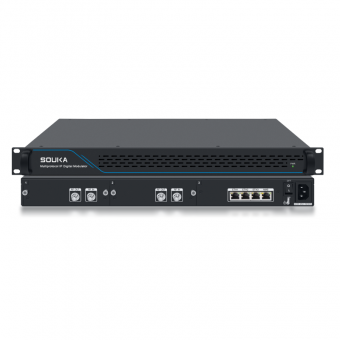 Modulador QAM IP com entrada IP multiprotocolo
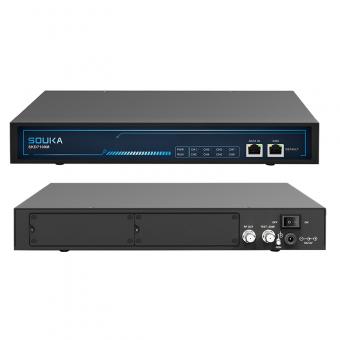 Modulador IP para DVB Modulador de borda com entrada IP e saída RF
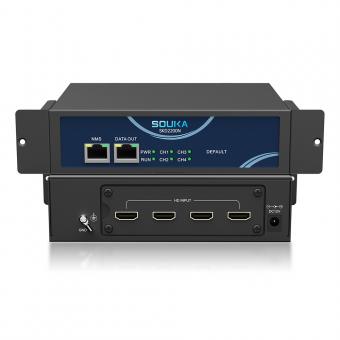 CODIFICADOR HD DE 4 CANAIS PARA SISTEMA IPTV
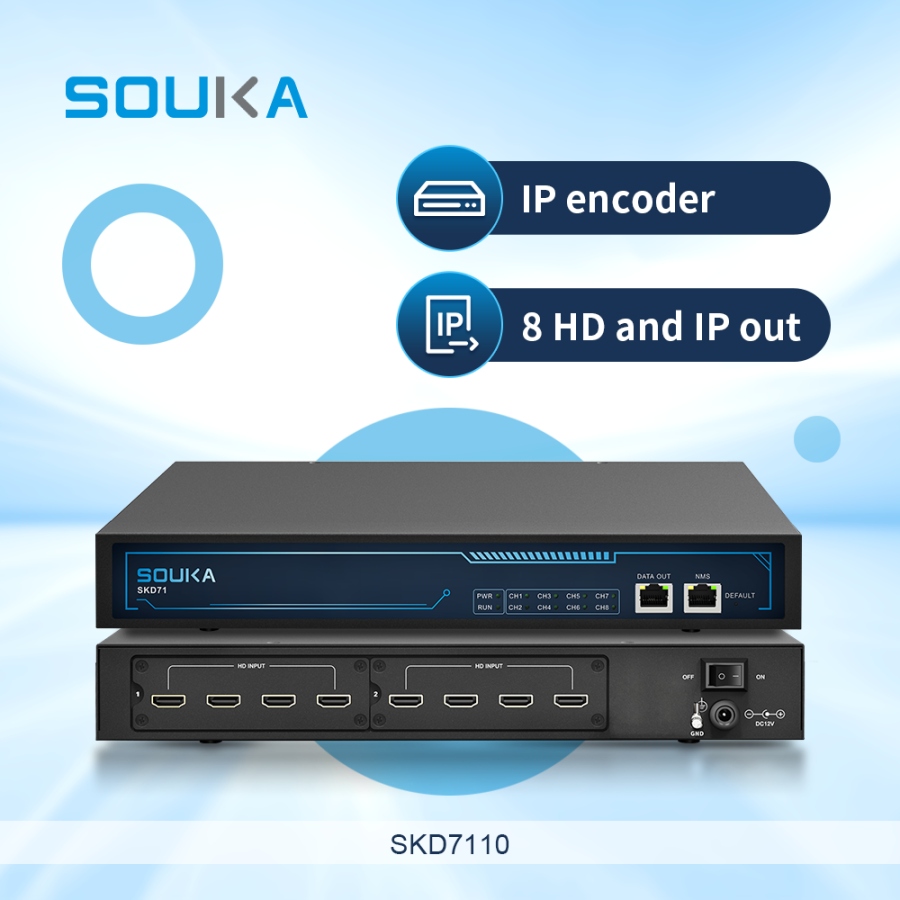
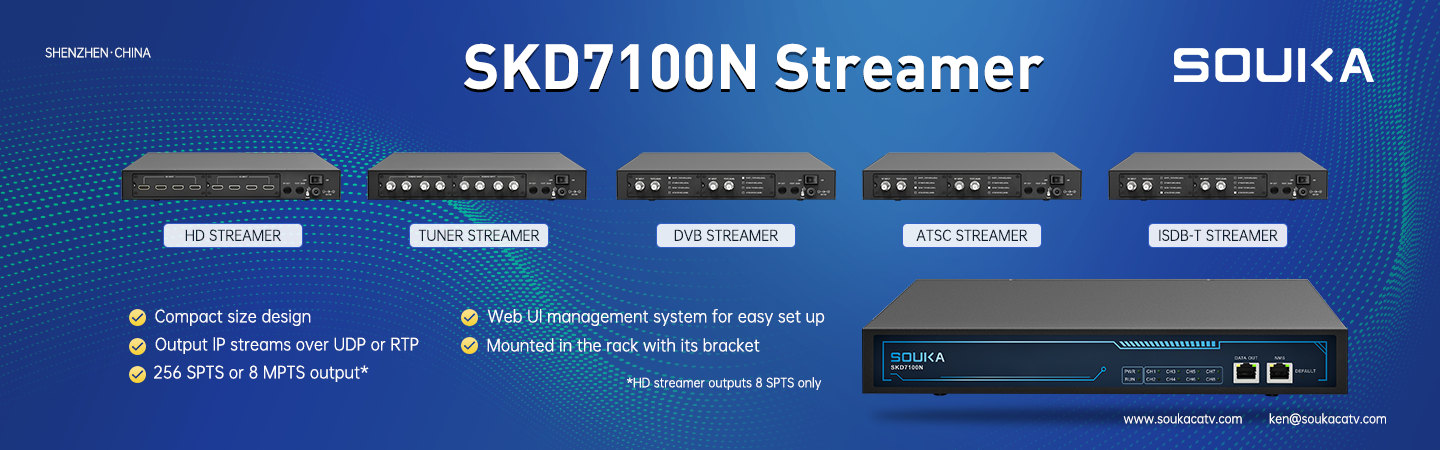
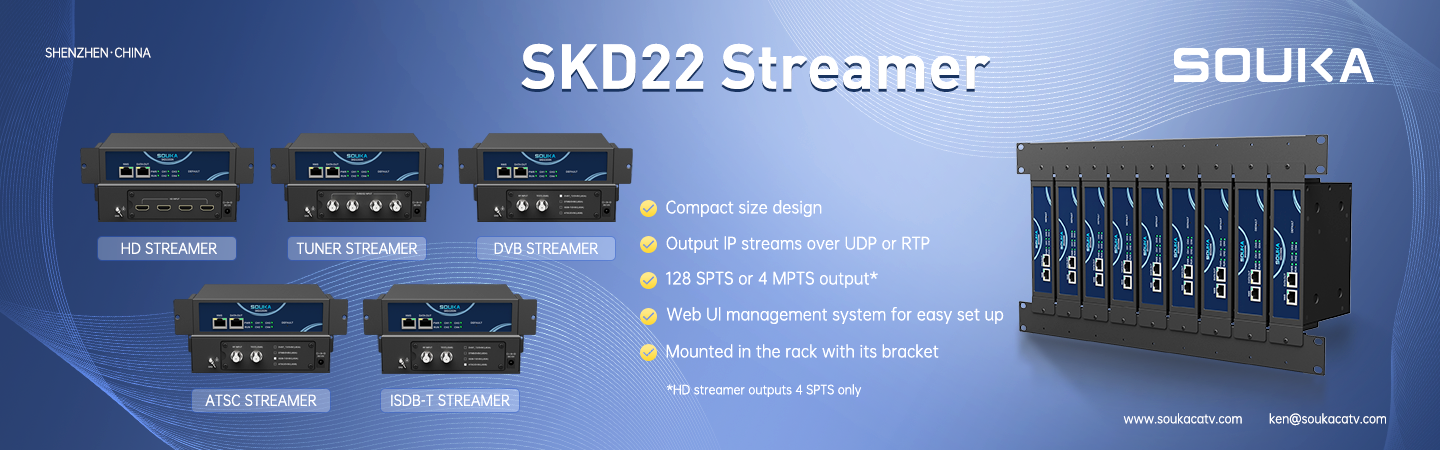
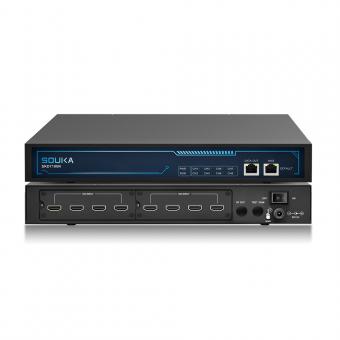 8 streamer HD para IP
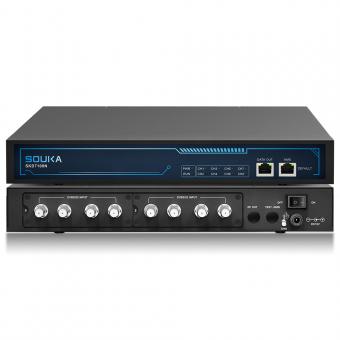 TUNER para gateway IP com entrada DVB-S/-S2
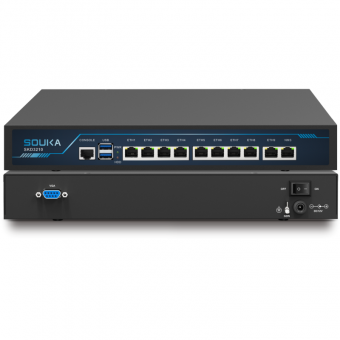 Servidor IPTV SOUKA para hotéis com suporte para 200 usuários e 50 canais HD
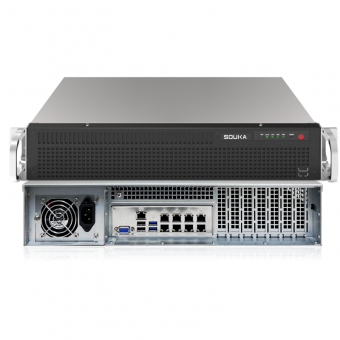 Servidor de streaming IPTV VOD de hospitalidade com suporte para 100 canais HD e 1000 usuários
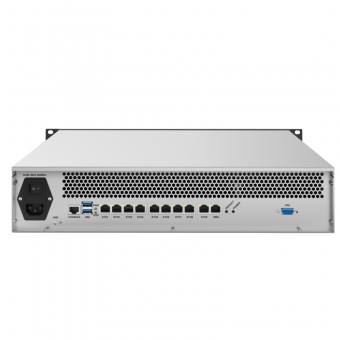 Servidor de streaming IPTV com suporte para 500 usuários e 100 canais HD
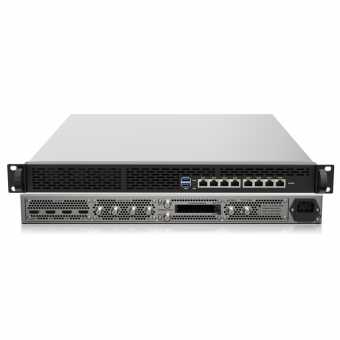 Servidor IPTV de hotel tudo em um e dispositivo de gateway de streaming
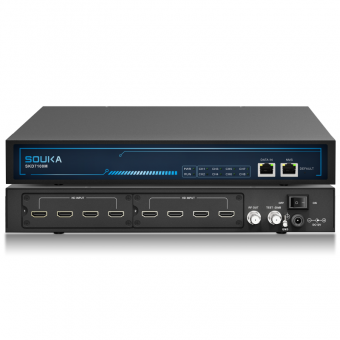 Modulador codificador HD 4 ou 8 em 1 para sistema de TV digital